Saturation Diving Glacier Scar Dive Site
The deepest and most dangerous zone 鈥?white sand, giant ravines, Brineglass zero-traction, and Crownspine ambush predators.
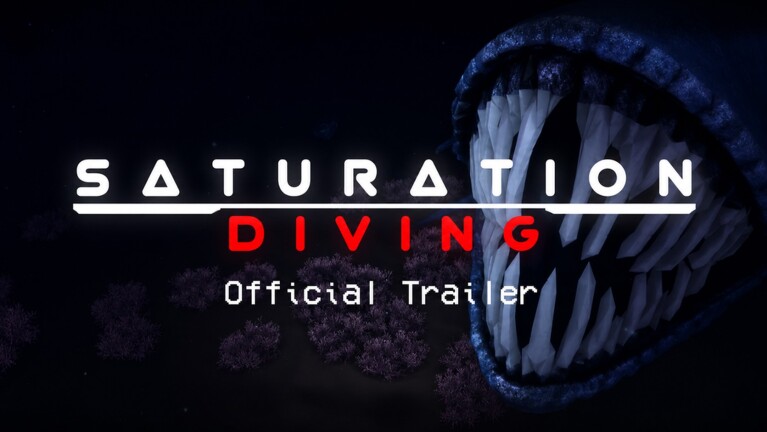
Glacier Scar is the deepest and most dangerous confirmed dive site in Saturation Diving. It matches the official description’s reference to “frigid dead environments” more precisely than any other zone, featuring white sand stretches, massive ravines, and the game’s most treacherous terrain. The community consensus is that Glacier Scar is harder than Abyssal Hollow in every measurable dimension: more fall points, zero-traction surfaces, more entity encounters, and a longer return path.
How Glacier Scar Was Confirmed
Glacier Scar first appeared in community wikis alongside the August 2026 Roblox place update documentation, matching the official description’s “frigid dead environments” phrasing. Multiple player reports confirmed the white sand, giant ravine, and zero-traction surface mechanics. The developer has not published official zone statistics, so all depth and pressure data is community-reported and marked provisional.
Visual Identity and Atmosphere
The defining visual trait of Glacier Scar is the white sand that stretches across the zone like an icy hell. Unlike the red sand of Crash Plateau or the blue sand of Blue Hole, Glacier Scar’s floor is almost entirely devoid of colour 鈥?the white reflects whatever light sources are present in sharp, high-contrast patterns that make distance estimation harder than in other zones. The giant ravine runs beside the diving bell and effectively creates an island where monsters spawn, isolating the spawn point from the main dive area. The visual effect is that of a frozen, barren seafloor 鈥?which is precisely the atmosphere the official description promises.
What Makes Glacier Scar the Hardest Zone
Glacier Scar compounds the difficulty of other deep zones in three distinct ways:
Terrain hazards 鈥?The giant ravine creates fall points that do not exist in other zones. Players who walk to the edge without checking their footing can fall into the ravine and lose ore, time, or their diver entirely. The Brineglass colonies cover much of the ground surface and have zero friction 鈥?a diver who steps onto Brineglass slides in the direction of least resistance, which is often toward the ravine edge.
Entity density 鈥?Glacier Scar hosts Crownspine (a fast ambush predator that strikes from distance) and Life Line in addition to the base entity pool. Crownspine is not found in any other zone, making Glacier Scar the only zone where a player must simultaneously manage fall risk, zero-traction terrain, and an entity that attacks from range.
Return path 鈥?The isolation of the spawn island means the return trip to the diving bell crosses the ravine or requires bridge traversal. If the Crownspine or Life Line aggros during the return, the player must manage aggro, terrain, and navigation simultaneously.
Community-Verified Creatures
Crownspine
Crownspine is an ambush predator that launches a ranged spike attack from distance. Unlike ground-based creatures that require proximity to deal damage, Crownspine can strike players who are 30鈥?0 metres away. The spike travels in a straight line and deals significant damage on contact.
The Crownspine’s behaviour pattern: it remains stationary until a player enters its detection cone, then fires a spike volley before repositioning. It does not pursue players on foot 鈥?its entire combat strategy is ranged. The counter-strategy is to avoid stopping in open white sand where Crownspine detection cones overlap, and to cross bridge sections quickly without pausing.
Crownspine is unique to Glacier Scar and does not appear in any other zone.
Life Line
Life Line also appears in Glacier Scar, confirmed by community reports. The Life Line mechanic works identically to Blue Hole: it mimics player diver appearance and does not attack when a medium-intensity light is directed at it, but attacks when a player approaches in darkness or dim light. The spawn rate in Glacier Scar is lower than in Blue Hole, but the consequences of a Life Line encounter are higher because the zero-traction terrain makes evasion difficult.
Brineglass Colony 鈥?Terrain Hazard, Not a Creature
Brineglass colonies are a terrain feature, not a creature, but they function as an environmental hazard in Glacier Scar. The Brineglass surface has near-zero friction 鈥?a diver who steps onto it slides in the direction of least resistance until they reach a surface with grip or the ravine edge. The community calls it the most dangerous terrain mechanic in the game because it converts a simple navigation error into a potential death sentence.
Counter-strategy: never run in Glacier Scar. Walk between destinations. If you must cross Brineglass, face the direction you want to go before stepping on, and move slowly. Do not carry maximum ore across Brineglass 鈥?if you slide, you drop everything.
Glacier Scar in the Zone Roster
| Zone | Pressure | Depth Band | Key Hazard | Traction |
|---|---|---|---|---|
| Twilight Reef | 0.5 atm | Shallow | Ambient fauna | Normal |
| Mid Ridge | 2.8 atm | Mid | Pressure Wraith, Maw Crawler | Normal |
| Black Mound | 4.2 atm | Hadal | Hadal Pull, Void Siren | Normal |
| Abyssal Hollow | 5.0 atm | Deep hadal | Maw Lord, Hollow Wraith | Normal |
| Cragmire | Unknown | Unknown | Magma, red water | Normal |
| Blue Hole | ~3.0 atm | Deep | Life Line, Mothray Eel | Normal |
| Glacier Scar | ~5.5 atm | Deepest | Crownspine, Life Line, Brineglass | Zero 鈥?critical |
Glacier Scar’s pressure is estimated by the community at approximately 5.5 atm, making it the highest-pressure zone in the game ahead of Abyssal Hollow’s 5.0 atm. The exact figure is pending official confirmation.
Squad Composition for Glacier Scar
Glacier Scar demands a full four-role squad with strict terrain discipline. The recommended composition:
- Captain: Park at the diving bell. No one should go far from the bell in Glacier Scar 鈥?the return path is the primary danger. The Captain coordinates the dive and calls Crownspine positions.
- Engineer: Mine pipes on the nearest cluster. Do not cross Brineglass to reach distant clusters. Signal the Salvager for ore pickup.
- Spotter: Run Dual Beam Helmet for Crownspine detection. Ping the ravine edge and Brineglass boundaries before the squad moves. Never stop in open sand.
- Salvager: Stay closest to the diving bell. Collect ore from the Engineer and bank frequently. Do not attempt solo retrievals across Brineglass.
Navigation Rules for Glacier Scar
The community has established three non-negotiable navigation rules for Glacier Scar:
- Never run 鈥?walking is the only safe speed in Glacier Scar. Running on Brineglass is a guaranteed fall.
- Bridge crossing protocol 鈥?when crossing the ravine bridge, move continuously without stopping. Crownspine can hit a stationary target on the bridge.
- Bell proximity 鈥?keep all squad members within visual range of the diving bell. The isolation of the spawn island means losing sight of the bell means losing your return path.
Common Mistakes in Glacier Scar
- Running on Brineglass 鈥?the zero-friction surface turns running into a slide toward the ravine. Every experienced diver has lost ore to this at least once.
- Stopping on the bridge 鈥?Crownspine can fire a spike volley at a stationary target in the time it takes to stop and assess. Keep moving across bridges.
- Solo exploration 鈥?the spawn island isolation means a solo diver who falls or aggroes Life Line has no squad support for the return.
- Maximum ore carry across Brineglass 鈥?ore is dropped on fall. Carrying a full load across zero-traction terrain multiplies the consequence of a slide.
- Night diving with dim lights 鈥?Life Line attacks in dim light. Keep light at medium intensity in Glacier Scar despite the white sand’s high reflectivity.
How This Page Will Change
The developer has not published official Glacier Scar statistics. This page will update when confirmed data (pressure cap, Crownspine stats, Brineglass behaviour) is available. Check the updates tracker for the latest verified data.
Related Pages
- Zones 鈥?the complete zone table including Glacier Scar.
- Blue Hole 鈥?the other creature-complex zone, also featuring Life Line.
- How to Survive 鈥?updated with Glacier Scar terrain survival habits.
- Entities 鈥?full creature catalogue including Crownspine and Life Line.
- Updates 鈥?latest verified Glacier Scar data.
Frequently Asked Questions
Quick answers to the most common questions.
What is Glacier Scar in Saturation Diving?
Glacier Scar is the deepest and most dangerous zone in Saturation Diving, matching the official description of 'frigid dead environments'. It features white sand, a giant ravine, Brineglass zero-traction surfaces, Crownspine ranged predators, and Life Line diver mimics.
What is Brineglass?
Brineglass is a terrain feature in Glacier Scar 鈥?a glass-like surface with near-zero friction. A diver who steps onto it slides in the direction of least resistance until they reach a gripping surface or the ravine edge. The only safe counter is to never run and always face your intended direction before stepping on.
What is Crownspine?
Crownspine is a ranged ambush predator unique to Glacier Scar. It fires spike volleys at players from 30鈥?0 metres distance and does not pursue on foot. The counter-strategy is to avoid stopping in open white sand where Crownspine detection cones overlap and to cross bridge sections without pausing.
Is Glacier Scar harder than Abyssal Hollow?
Yes, by most community reports. Abyssal Hollow has higher pressure and a harder boss encounter, but Glacier Scar adds zero-traction terrain, more fall points, and Crownspine ranged attacks. The combination makes Glacier Scar the most dangerous zone per square metre.
What happens if I fall into the Glacier Scar ravine?
You lose any ore you were carrying and are teleported back to the diving bell. You do not lose equipped gear or credits. The primary danger is the time cost 鈥?a ravine fall during a Crownspine encounter can be fatal if the squad cannot recover.